The freshman year routine is relatively predictable: dorm, dining hall, classroom, repeat. But as students transition into their junior and senior years, their schedules fracture.
Between upper-level research labs, evening seminar classes, off-campus jobs, and late-night study sessions, the traditional “school day” stretches far past midnight.
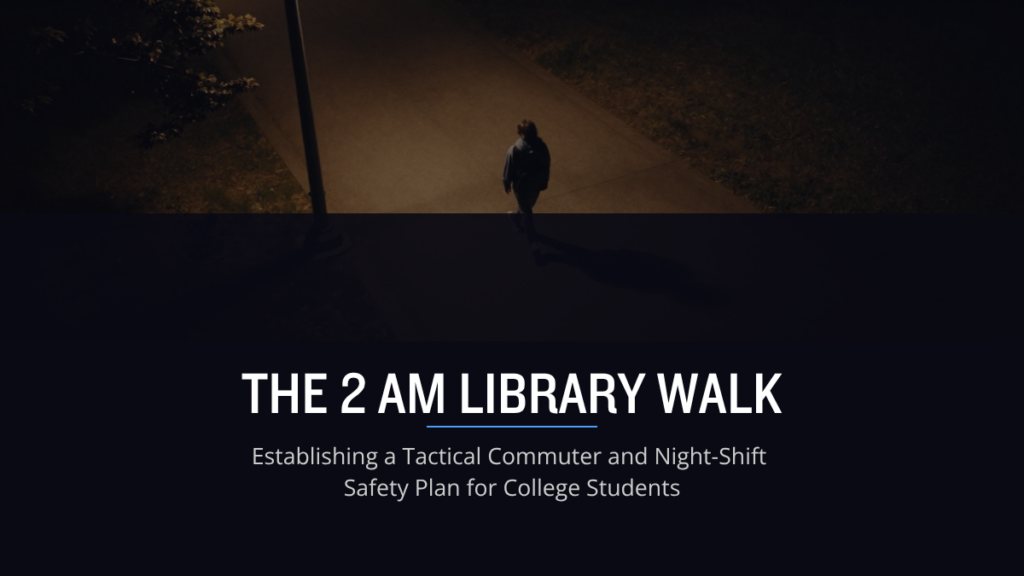
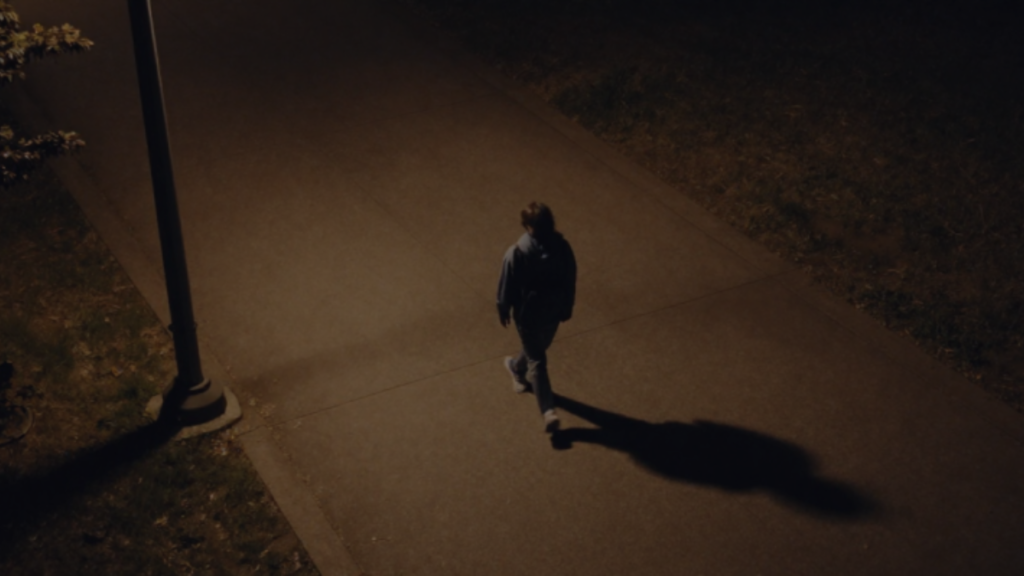
For parents, this introduces a highly specific, late-night anxiety window. It’s the worry that hits at 2:00 AM when you know your student is walking home late from the campus library, stepping out into a dark parking lot after a late shift, or navigating a lonely commute back to an off-campus apartment.
The High-Vulnerability Windows of Higher Education
A student walking through an unlit municipal corridor or an empty campus parking structure face-down in their smartphone is the ultimate target for situational opportunists. Statistics show that personal property crime and unprovoked altercations spike drastically between the hours of 11:00 PM and 4:00 AM.
To mitigate this environmental vulnerability, every student needs an active, tactical night safety plan:
- The “Eyes Up” Rule: Earbuds must come out and phones must go into pockets during late-night transits. Situational awareness is the first line of defense.
- Mapping the Well-Lit Path: Municipal and commuter paths often lack the bright, high-density lighting of main campus plazas. Students should audit their night routes in advance, even if it adds five minutes to the walk.
- The Scheduled Safety Anchor: The primary flaw in manual safety plans is human forgetfulness. A student exhausted from an organic chemistry cram session will not remember to text you when they reach their car at 2:30 AM. And if you stay awake waiting for that text, the relationship suffers from mutual exhaustion.
Automating the Midnight Window
This exact scenario is why rugood.io is built with fluid, parameter-driven scheduling. Instead of a generic daily reminder, you can calibrate the system to match your student’s specific weekly vulnerabilities.
If they have a late-night lab on Tuesdays or a night shift on Thursdays, rugood.io can be scheduled to automatically ping them right when their walk or drive begins. If they don’t confirm their safe arrival within their customized safety window, you are notified immediately. It provides a razor-sharp, automated safety net exactly when the environment is at its darkest—giving them independence and giving you an unbroken night of sleep.